5 Best Time Clocks for Small Business in 2026
BLOG Last updated October 2, 2025
Navigating the world of time clocks can be a daunting task for any business owner. With a plethora of options available, each promising to streamline workforce management, how do you choose the right one? This article will explore the key features of popular time clock solutions.
Understanding the Essentials of a Time Clock System
Before diving into specific options, let’s establish the fundamental requirements of a reliable time clock system:
- Accuracy: Precise tracking of employee work hours is paramount for accurate payroll processing.
- Ease of Use: Both employees and administrators should find the system intuitive and user-friendly.
- Integration: Seamless integration with payroll and accounting software simplifies data management.
- Flexibility: The system should accommodate various work environments and employee types.
- Affordability: Cost-effectiveness is crucial, especially for small and medium-sized businesses.
A Look at Time Clock Options
Several time clock solutions cater to diverse business needs. Here’s a brief overview:
- These physical devices, like punch clocks, offer basic time tracking but lack advanced features and integration capabilities.
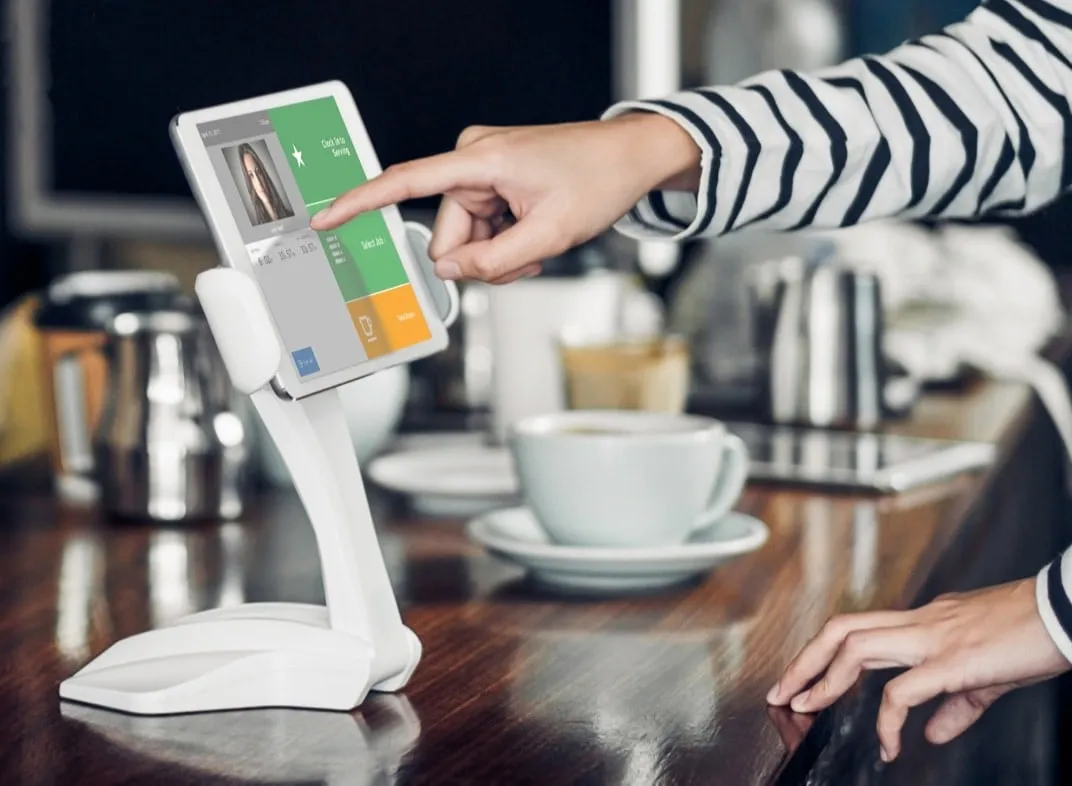
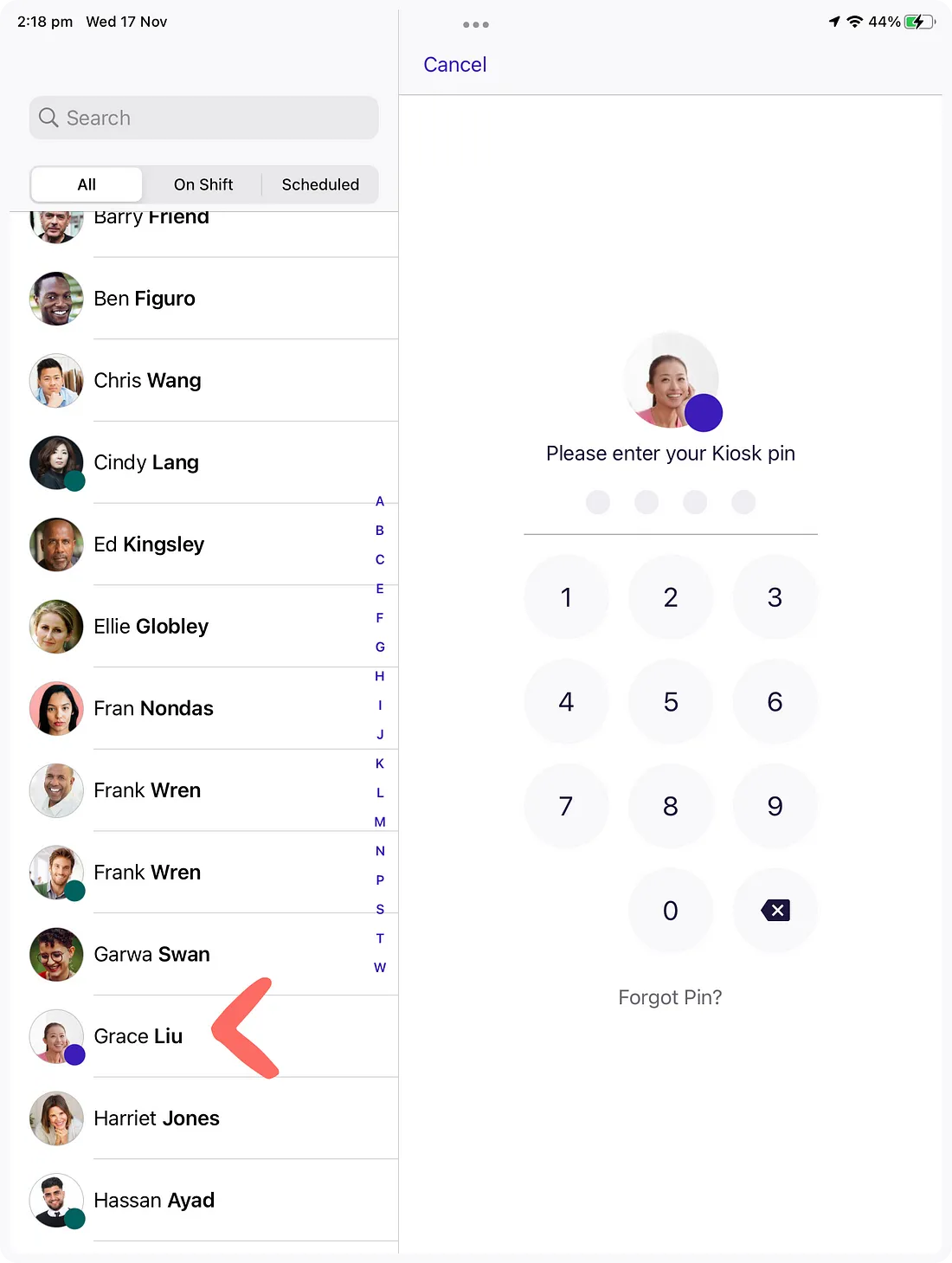
- These systems offer remote access, real-time data, and integration with other software. Examples of cloud based time clocks are, Clockify, BambooHR, and Timeclock.Kiwi.
- These apps allow employees to clock in and out using their smartphones, providing flexibility for remote workers.
Pricing Comparison
| 20 users / month | 50 Users / month | 100 users / month | ||
|---|---|---|---|---|
| Timeclock.Kiwi | $5 kiosk/month | $5.00 | $5.00 | $5.00 |
| QuickBooks | $65 kiosk/month | $65.00 | $65.00 | $65.00 |
| Deputy | $3.5 user/month | $70.00 | $175.00 | $350.00 |
| Clockify | $5.49 user/month | $109.80 | $274.50 | $549.00 |
| BambooHR | $6 user/month | $120.00 | $300.00 | $600.00 |
Note: These costs are for the software only. They all require you to supply your own tablet to use as the Kiosk.
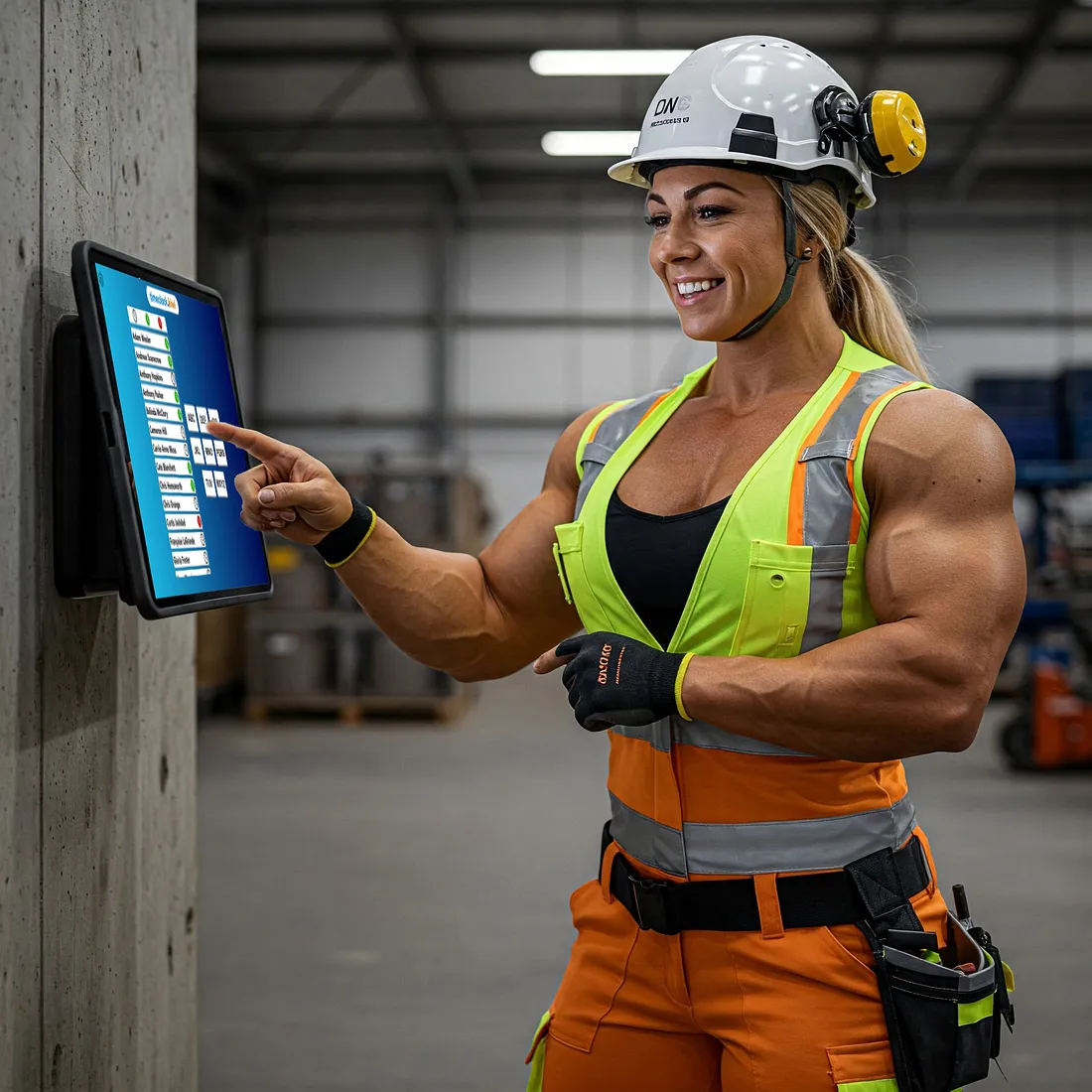
1. Timeclock.Kiwi
Good:
- Simplicity: User-friendly interface and straightforward functionality, minimizing the learning curve.
- Cost-Effective: Competitive pricing, making it accessible to businesses of all sizes.
- Payroll Integration: Strong integration with Xero, and easy data exports for other payroll systems.
- Good customer support: Known for its responsive and helpful customer support.
- Material logging and job tracking: Provides features that are very useful for trades and construction.
Bad:
- Less Extensive HR Features: It primarily focuses on time tracking, lacking the broader HR capabilities of platforms like BambooHR.
- Less complex scheduling: While it has scheduling features, it is not as in depth as deputy.
- Relatively newer: Being a newer company, it may not have as many third party integrations as older more established companies.
2. Clockify
Good:
- Free Tier: Clockify offers a generous free plan, making it attractive for very small businesses or freelancers.
- Project Tracking: Excellent for project-based work, with detailed time tracking and reporting capabilities.
- Cross-Platform: Available on web, desktop, and mobile, ensuring accessibility.
Bad:
- Complexity: The extensive features can be overwhelming for businesses needing only basic time tracking.
- Limited Payroll Integration: While it offers exports, direct payroll integrations are less robust than some competitors.
- Free tier limitations: Reporting and advanced features are limited in the free tier.
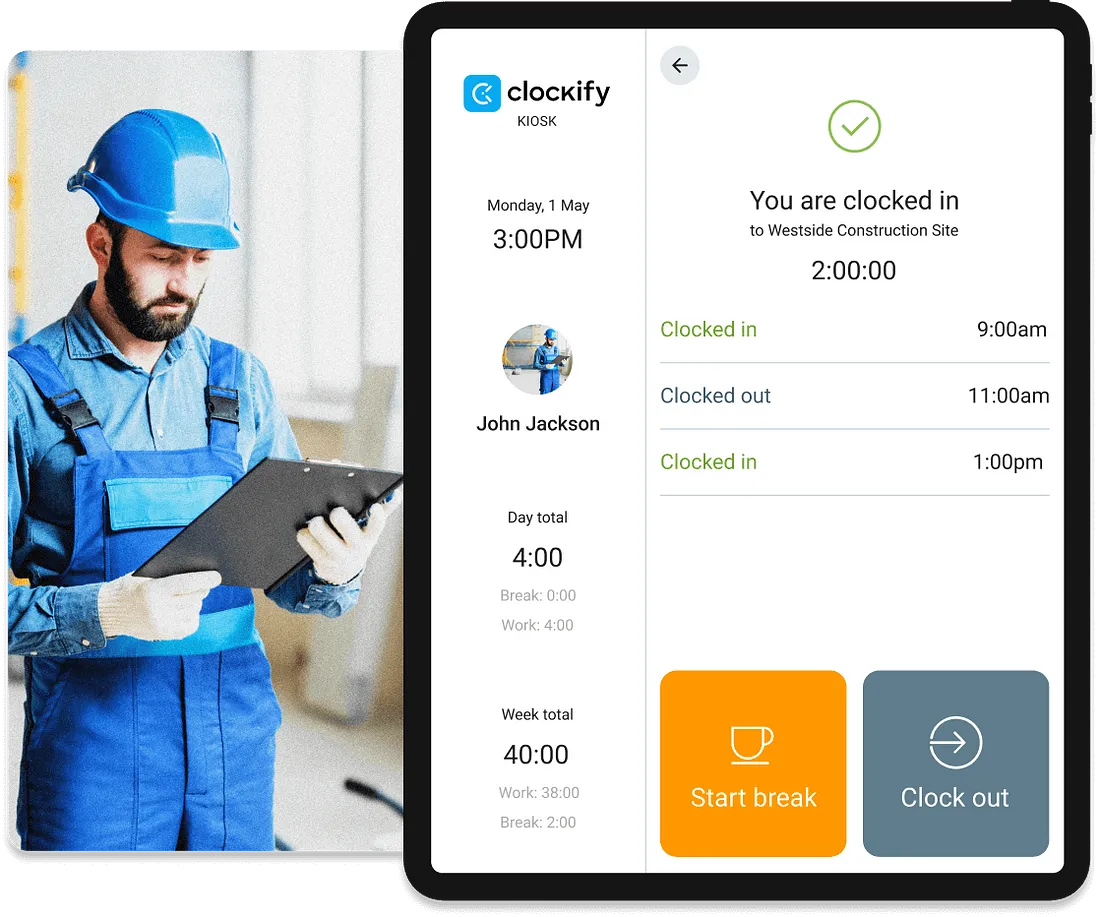
3. BambooHR
Good:
- Comprehensive HR Suite: BambooHR goes beyond time tracking, offering a full suite of HR features, including applicant tracking, performance management, and employee onboarding.
- User-Friendly Interface: Known for its clean and intuitive design.
- Good Reporting: Provides excellent reporting tools.
Bad:
- Cost: BambooHR is one of the more expensive options, making it less suitable for small businesses with tight budgets.
- Overkill for Basic Needs: If you only need time tracking, the extensive HR features may be unnecessary.
- Can be complex to setup: Due to the large amount of features, setup can be time consuming.
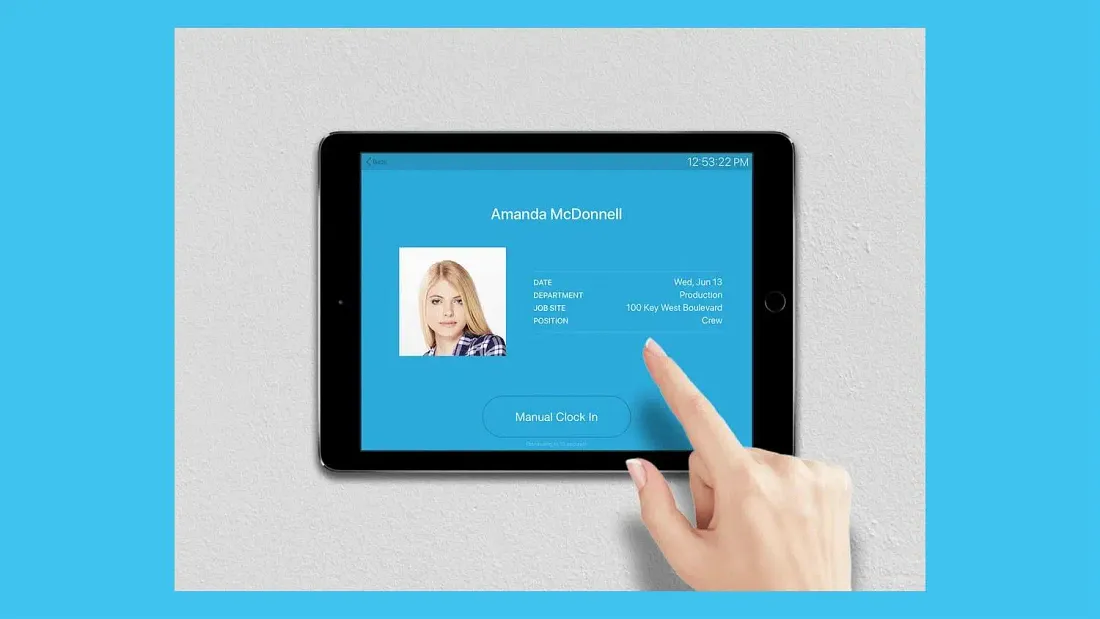
4. QuickBooks Time (formerly TSheets)
Good:
- QuickBooks Integration: Seamless integration with QuickBooks Online and Desktop simplifies payroll processing for existing QuickBooks users.
- GPS Tracking: Offers GPS tracking for mobile employees, providing location verification.
- Scheduling: Robust scheduling features, allowing for efficient workforce management.
Bad:
- Cost: While powerful, QuickBooks Time can be expensive, especially for larger teams.
- Dependence on QuickBooks: Its primary strength is also a potential weakness for businesses not using QuickBooks.
- Can be complex: Many features can make the software hard to learn.
5. Deputy
Good:
- Scheduling Focus: Deputy excels in employee scheduling, making it ideal for businesses with variable staffing needs.
- Mobile App: A well-designed mobile app for easy clocking in and out, and schedule management.
- Task Management: Integrates task management with time tracking.
Bad:
- Pricing Structure: The pricing can be complex, with separate fees for scheduling and time tracking.
- Payroll Integration Variability: Payroll integrations differ by region, so compatibility should be verified.
- Can be expensive for simple needs: If your business needs are basic, then deputy can become costly.
In Conclusion
While numerous time clock options exist, Timeclock.Kiwi emerges as a strong contender due to its focus on simplicity, functionality, and affordability. For businesses seeking a reliable and user-friendly time tracking solution, Timeclock.Kiwi is a worthwhile consideration.

Loïc Joachim
Loïc Joachim is a New Zealand-based IT professional, entrepreneur, and political figure, currently serving as the Managing Director for Timeclock.Kiwi and the IT Manager for the O'Brien Group. He is also involved in politics as the Deputy Chair of the Dunedin Labour Party and is a prolific writer who shares his knowledge and opinions on technology, business, and political affairs.