
Statistics and Insights Gained from Timeclock Data
STATISTICS Last updated October 28, 2025
Alright, let's talk timeclock data and statistics! I know it might not sound like the most thrilling topic, but trust me, there's gold hidden in these digital punch-ins and punch-outs. We've been digging into the data from our timeclock app, and honestly, the insights are pretty fascinating.
So, grab a hot chocolate, coffee or tea and let's dive in. You know I love sharing the nitty-gritty with you, and this stuff can really make a difference in how you run your business or even manage your team.
Average Workweek Duration
According to World Population Review, the worldwide average workweek is 38.6 hours a week, which comes to 7.7 hours a day. However this varies wildly by country and even more so for blue collar workers who tend to work flexible hours according to demand.
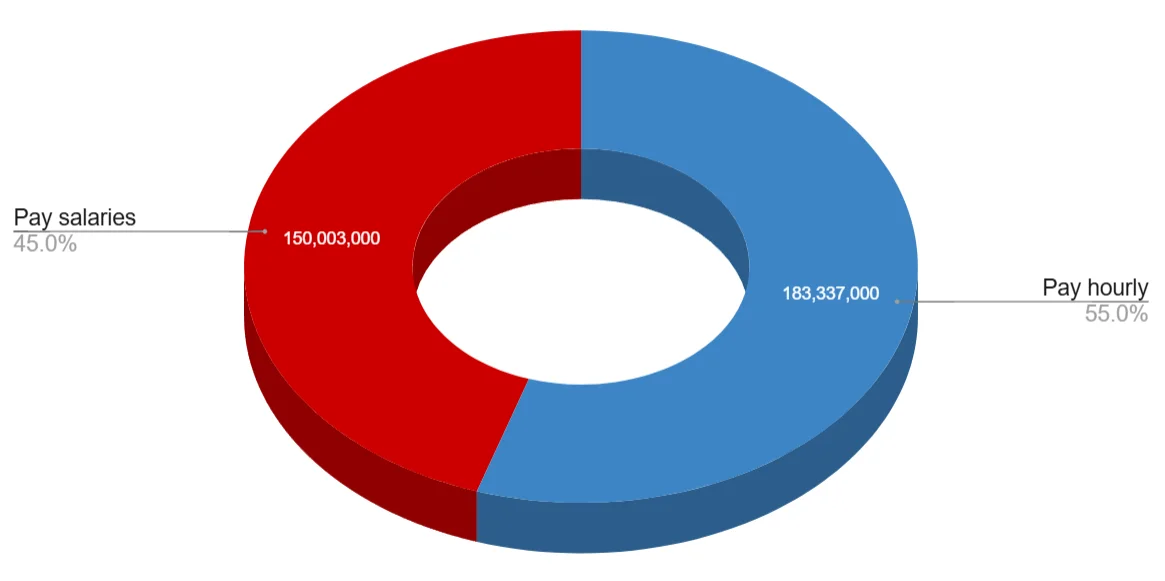
We are primarily interested in businesses who employ people at an hourly rate and are paid according to how long they work. As it turns out 55% of all people are employed in this way. With an estimated 333.34 million businesses in the world, that makes a huge number of them who use or should use timeclocks to keep track of their employees worked hours.
- 7.7 is the worldwide average number of hours worked a day
- 55% of people are paid hourly
- 333,340,000 businesses in the world
- 183,337,000 businesses pay their employees hourly
Manual Data Adjustments
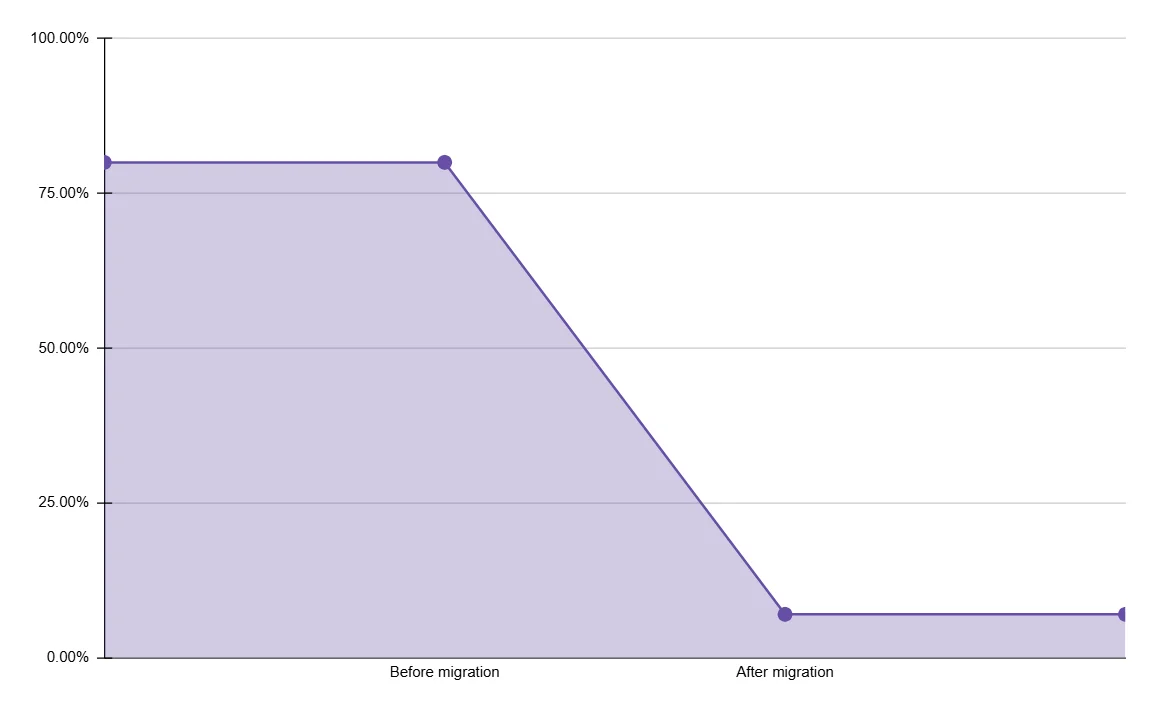
We analysed our customers’ timesheets as part of the onboarding process for joining Timeclock.Kiwi and found that ~80% of timesheet data was being manually adjusted before payroll. With our clock in system and tools for automatically adjusting values according to payroll needs, manual changes sit at only ~7%. These tend to be for users who “forget” to clock in or out entirely, usually because they are running late.
Length of Pay Periods
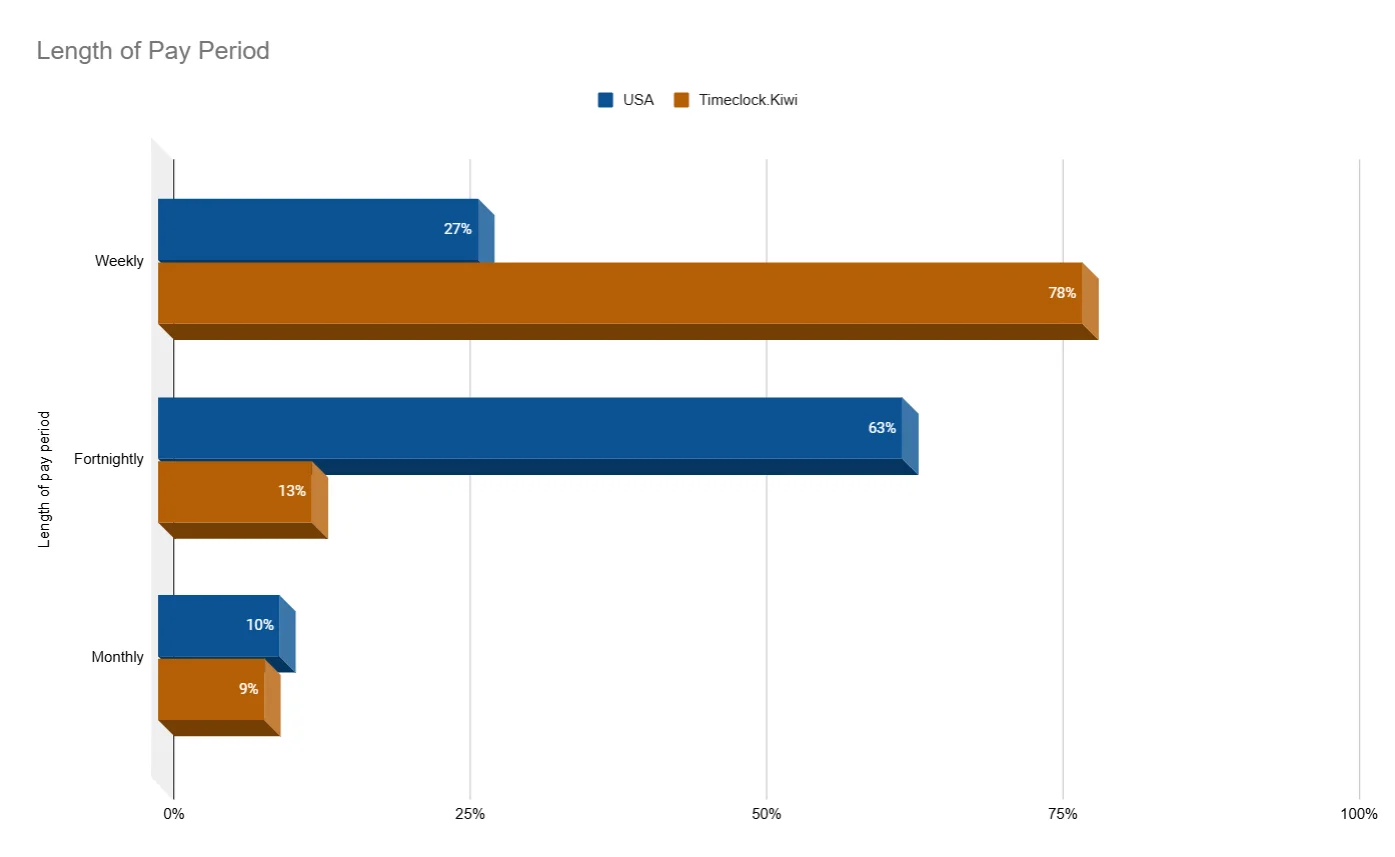
As we allow users to export data as often as they like we can estimate the frequency of their pay periods. Our data varies from the data from the U.S. Bureau of Labor Statistics quite significantly. There are 2 reasons for this:
- Our users are global rather than strictly from the U.S.
- As we only get data from businesses who would use a time clock we have a heavy bias towards businesses who pay hourly. It is common that people who are paid hourly have relatively small salaries, which means that they tend to live pay check to pay check, making it harder for them to wait too long between pay periods.

Loïc Joachim
Loïc Joachim is a New Zealand-based IT professional, entrepreneur, and political figure, currently serving as the Managing Director for Timeclock.Kiwi and the IT Manager for the O'Brien Group. He is also involved in politics as the Deputy Chair of the Dunedin Labour Party and is a prolific writer who shares his knowledge and opinions on technology, business, and political affairs.