
How Time Clocks are at the Heart of the IBM Origin Story
HISTORY Last updated March 05, 2026
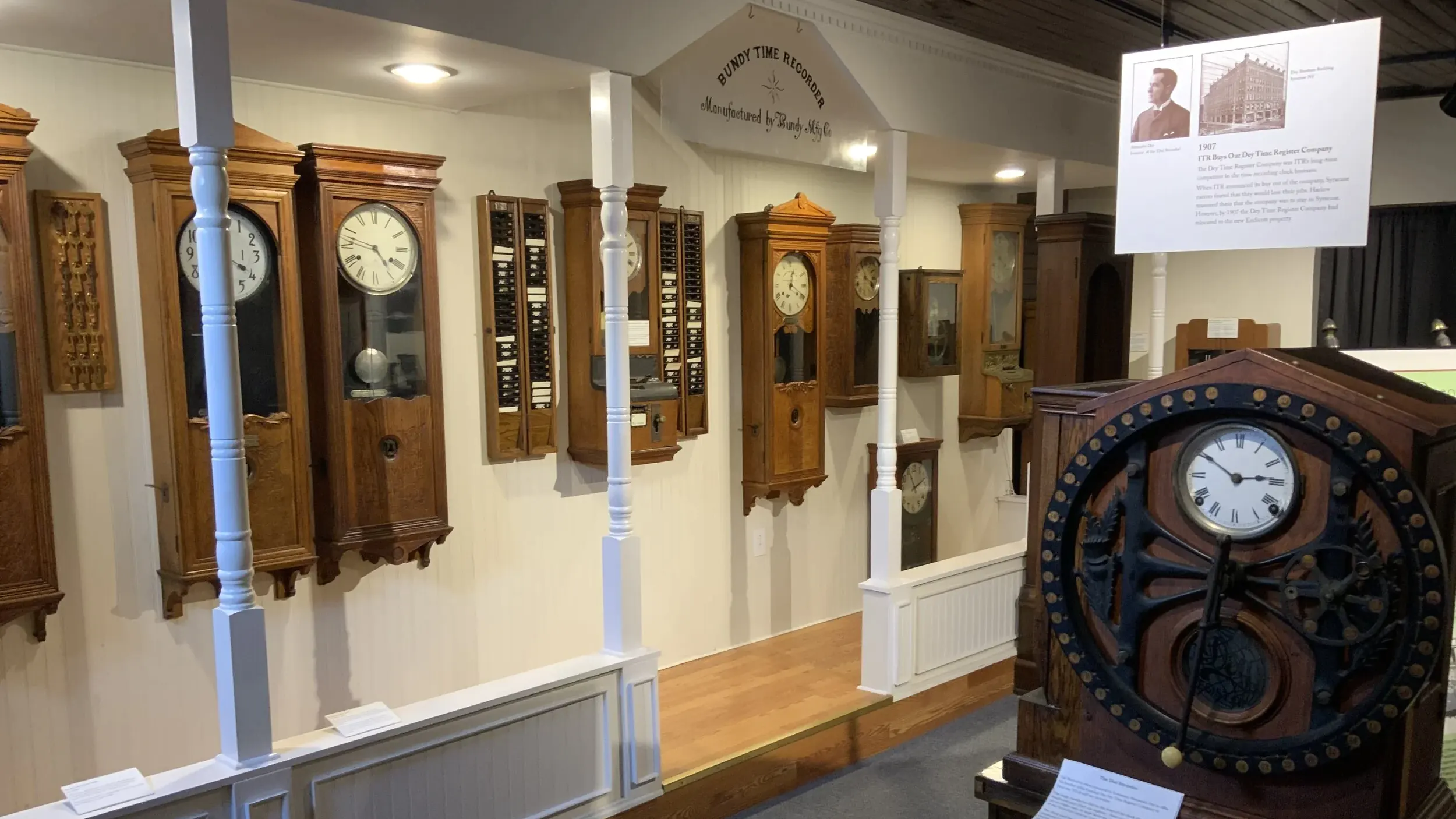
The very first employee time clock was patented in 1888 by Willard LeGrand Bundy in Auburn, New York. Bundy was a jeweler with a passion for invention. He had a history of developing mechanical calculation devices and electronic cash registers. The usefulness of the time clock was immediately apparent to employers, who faced the difficult and time-consuming task of manually tracking the arrival and departure times for dozens, or even hundreds, of workers to calculate payroll, especially in the large factories common in the late 19th century.
The Innovation of the "Timestamp"
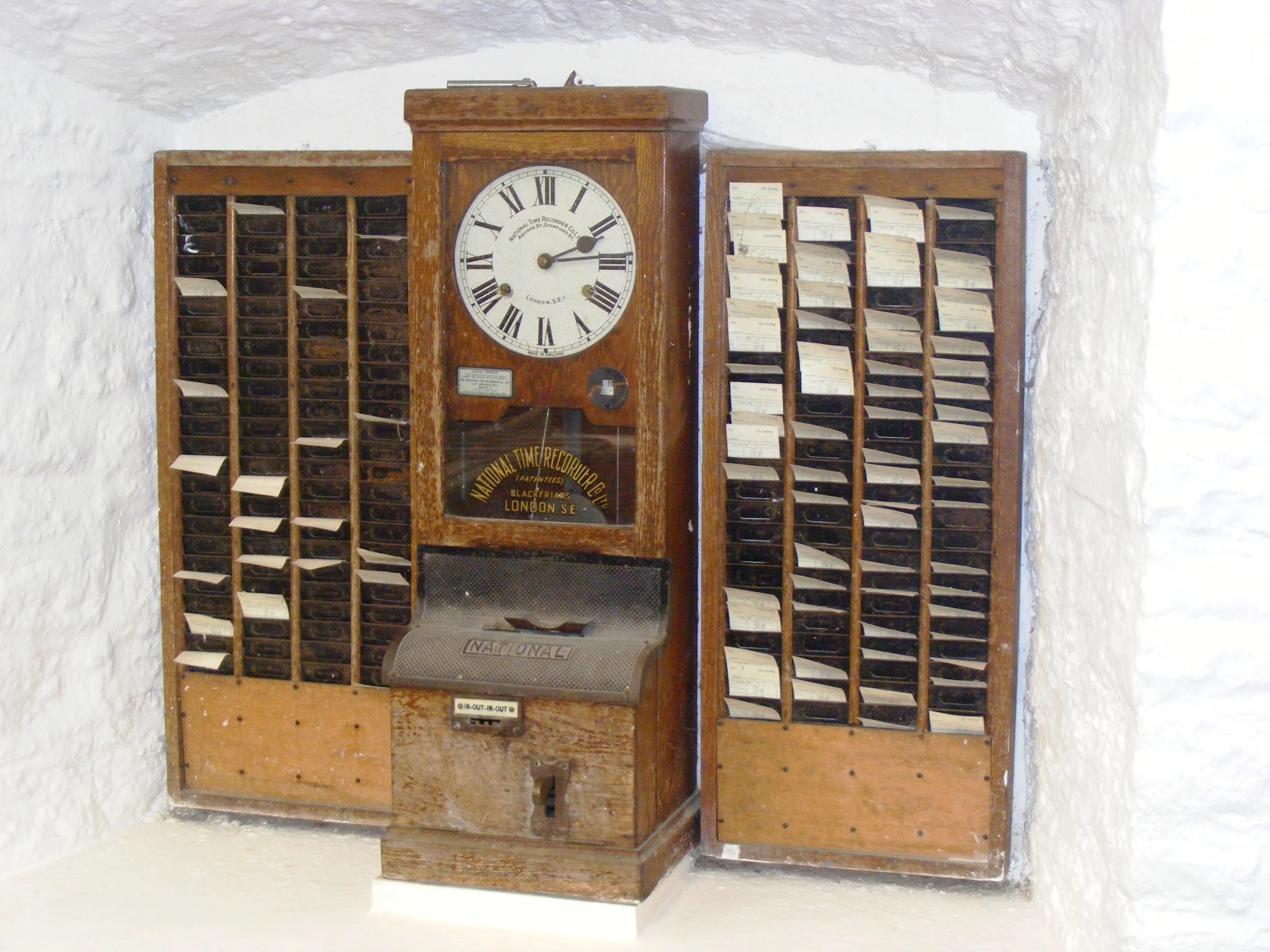
Bundy's device was a significant improvement over a simple timepiece. Its main innovation was a slot that allowed an employee to insert a paper card. When the card reached the back of the slot, the machine would automatically stamp the current date and time onto it. This mechanism is the source of the modern computing term "timestamp."
Each employee was given a unique card, which they would insert to record their start and end times upon arriving at and leaving work. This process centralized and automated the collection of critical payroll data, allowing employers to easily sum the hours between the recorded timestamps at the close of each pay period.
From Bundy's Invention to a Business Success
One year after the initial invention, in 1889, Willard and his brother, Harlow Elisha Bundy, who was reportedly the more astute business partner, established the Bundy Manufacturing Recording Company. They started marketing the time clocks, which quickly became a huge commercial success. By the end of the 1890s, the company had secured major contracts with large organizations, including the United States Postal Service.
As the market grew, so did the competition. In 1900, the International Time Recording Company (ITR) was formed through the merger of several rival clock businesses, including the Bundy Manufacturing Recording Company.
The Path to IBM
After producing time clocks and adding machines for another decade, ITR became part of a larger holding company, or trust, in 1911. This new entity was called the Computing-Tabulating-Recording Company (CTR).

CTR was already a sizable corporation with over 1,300 employees, manufacturing a diverse range of equipment, such as employee time-keeping systems, weighing scales, meat slicers, and punchcard machines.
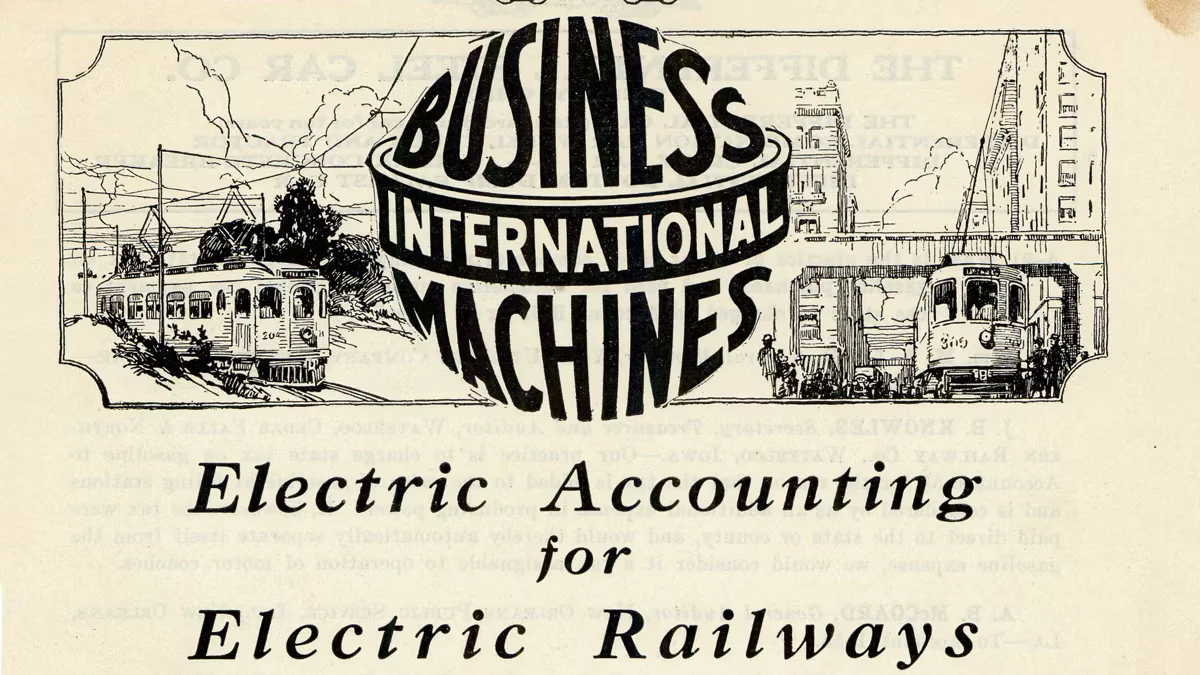
In 1924, CTR underwent a final name change, becoming the International Business Machines Corporation (IBM). IBM continued to manufacture time clocks for more than 30 years. However, in 1958, the company decided to shift its primary focus to tabulation equipment and computers. Consequently, IBM sold its Time Equipment Division, including all the remnants traced back to the original Bundy Manufacturing Recording Company, to the Simplex Time Recorder Company.
Today you can still see original Bundy time clocks at the Bundy Museum in Binghamton, New York.


Loïc Joachim
Loïc Joachim is a New Zealand-based IT professional, entrepreneur, and political figure, currently serving as the Managing Director for Timeclock.Kiwi and the IT Manager for the O'Brien Group. He is also involved in politics as the Deputy Chair of the Dunedin Labour Party and is a prolific writer who shares his knowledge and opinions on technology, business, and political affairs.